In the Beginning
Did Alcohol Fuel Life on Earth?

In The Beginning – Did Alcohol Fuel Life on Earth?
According to NASA, the Universe is composed of dark energy, dark matter, and atoms which make up bodies such as stars and planets. There is also something unexpected. At the centre of the Milky Way, 26,000 light years or 150 quadrillion miles away from earth there is a vast cloud of alcohol composed of ethanol and methanol measuring billions of miles across. This proximity has raised a fascinating hypothesis about the initial formation of complex carbon molecules on this planet. Did the alcohol build up into carbon polymers and hitch a ride on comet heads that dispersed space dust on to the earth's surface? If so, then could it be that the primordial soup in which simple life developed was really a primordial cocktail?
Those single celled life forms needed energy and that came from sugars. Once ingested the sugars fermented and created the waste products of alcohol and carbon dioxide. Glycolysis, or sugar fermentation, is believed to be the earliest form of energy production used by life on earth so 3.6 billion years ago alcohol was a major factor even in primitive bacteria society.
An Exciting Buzz
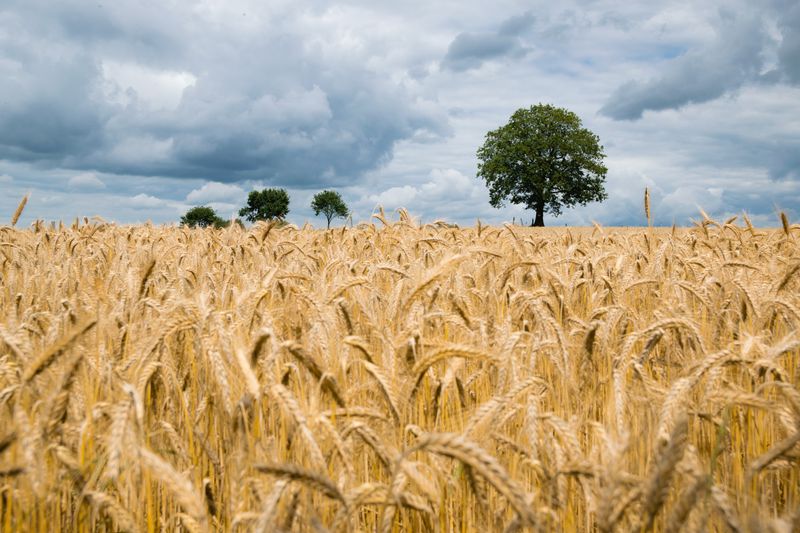
Around 100 million years ago the first fruit bearing trees appeared. For sugar loving creatures from insects to higher mammals this was the equivalent of a free bar. Sugar oozing from the fruit attracted airborne yeast cells to ferment it so when insects and animals followed their nose to the syrupy prize, they gobbled it up and became gently intoxicated on the alcoholic by-product. Early hominids originated in what is now Africa and they lived largely on a diet of fruit. In the warm climate ripe fruit would have quickly fermented giving them an exciting buzz. This was not forbidden fruit however and it spurred our ancestors and animals to actively seek it out. Fermentation is highly beneficial because the nutritional value of the food is enhanced with increased amino acid and vitamin levels in a process called biological ennoblement. Those augmented calories would sustain whoever ate them and help them to survive a hostile environment. Fermentation also made the food easier to digest, supplying nutrition and energy that caused the brain to grow larger.
Supernatural Alcohol
Archaeologists believe that humans started purposely making alcoholic beverages in the Paleolithic between 2.5 million and 20,000 years ago. Depending on where they lived ingredients varied - palm sap, figs and other fruits in Africa, wild grapes in the Caucasus. Honey was widely available everywhere and so Mead would have been an early beverage, if not the first. Later when it was discovered that root crops and wild cereals could be fermented, almost everything growing in soil was fair game. No-one understood what caused food to turn as if by magic into nourishing alcohol so when religion became a part of the human experience, alcohol was considered to be supernatural, a gift from the deities, who were worshipped with libations offered in sacrifice. Even today alcohol is central in some Christian and Jewish rites and in the holy books of those faiths wine is God-given.
The Birth of Agriculture and Civilisation
To date the earliest proof of an alcoholic drink was found on pottery shards in a Neolithic village in north central China dating back to 9,000 BCE. Analysis revealed fermented rice, honey, wild grapes and hawthorn fruit - a rice beer/wine hybrid. During the Neolithic era humans started to store food and drink in clay vessels. These left an archaeological record because until then food and drink was stored in animal stomachs and skins, baskets, or wooden containers all of which rotted away over millennia leaving nothing behind to signal how long humans had been imbibing. Professor Patrick McGovern, biomolecular archaeologist and anthropologist, has a theory that the desire for alcohol changed the habits of hunter gatherer nomadic humans and made them settle in once place to be near the plants used to make their favourite alcoholic drink. This was the birth of agriculture and of civilisation as people started living in proximity in settlements, purposely planting crops and working together to harvest them.
Evolutionary Benefits
Unknown to the tipplers, their habits gave them an advantage over the abstemious because fermented food contains beneficial microflora called lactobacillus acidophilus which aid digestion, maintain healthy intestines and boost immune system functions. Alcohol also kills harmful microorganisms in food and water. Alcohol's psychotropic effects made them cheerful and less inhibited, encouraged singing, dancing, flirting. Those who drank alcohol were vigorous, resilient, smarter, party people, and more likely to live longer than those who did not partake. And how does nature reward the sturdier specimens? By making them more attractive to potential sexual partners meaning that the drinkers were more likely to go forth and multiply. Without the evolutionary and health benefits alcohol bestowed perhaps humans would never have flourished, relegated instead to being a species of dim-witted, puny, small-brained creatures. And karaoke might never have been invented.
Social Lubricant
Different cultures throughout the world most likely started drinking independently with no knowledge of the others. But trade and exploration spread the habit and appreciation of this mystic gift of nature. Major routes such as the Silk Road, river Nile, and Great Rift Valley were the equivalent of information superhighways. Alcohol is a social lubricant and helped to build community bonds, ease negotiations, resolve disagreements, seal contracts, commune with deities, perform rituals and celebrate significant events. In many cultures alcohol was, and in many places still is, central to society and features in all communal activities. In English when someone says 'Let's go for a drink' they do not mean a cup of tea.
A Universal Language
Alcohol has been used over millennia as a universal palliative due to medicinal properties such as pain relief, antioxidant, anti-septic, and to fight disease. Ancient societies in Egypt, Mesopotamia, China, Greece, and Rome used alcohol internally and externally to treat ailments and also used it as a delivery method in which to dissolve medicinal herbs and spices.
Apart from countries where alcohol is forbidden for religious reasons almost every nation in the world produces some type of booze. Drinking is a custom that knows no cultural or class boundaries - it is a universal language.
Books & Courses
At the School of Booze I encourage lifelong learning but you can do your homework at the pub! Textbooks (written by me) include titles about beer, wine, cider, gin, cocktails, and a drinks miscellany. Signed Copies Here And if you are in the market for some inexpensive downloadable Beer, Cider, or Wine Knowledge courses click here.

.jpg)